
Top Dress Timing: Lawn Results & How to Fix an Ugly Lawn
A rough, thin, or uneven lawn does not always need to be replaced. In many cases, professional lawn top dressing can help improve the soil surface, smooth minor low areas, support healthier turf growth, and create better conditions for Bermuda, Zoysia, and other warm-season grasses common in Northwest Florida.
This guide explains what top dressing is, when to do it, which materials are commonly used, how the process works, and when it makes sense to combine top dressing with aeration, irrigation improvements, chemical lawn care, or sod installation.
If you are looking for professional help in Panama City, Panama City Beach, Lynn Haven, Callaway, Southport, or surrounding Bay County communities, visit our Top Dressing Services page for service information and estimates.
What Is Lawn Top Dressing?
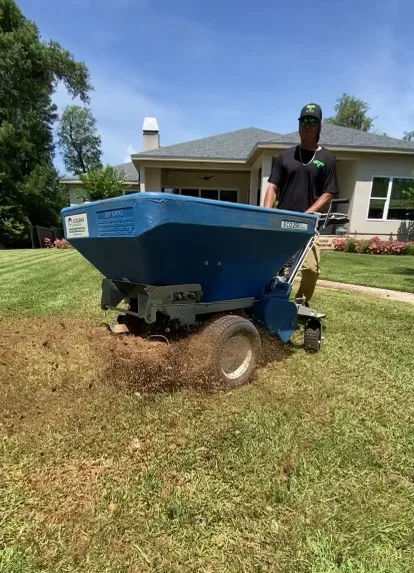
Top dressing is the process of applying a thin, even layer of material over an existing lawn. Depending on the condition of the property and the goal of the application, the material may include sand, soil, compost, or a blended top dressing mix.
The material is worked down between the grass blades rather than piled on top of the turf. When applied correctly, the existing grass should remain visible and continue growing through the new layer.
Top dressing can be used as part of an overall lawn-improvement program rather than as a cure for every lawn problem. Before applying material, it is important to understand why the lawn is thin, uneven, poorly drained, or declining.
What Are the Benefits of Top Dressing a Lawn?
Depending on the material used and the condition of the lawn, top dressing can help with several common turf problems.
- Smooth minor bumps and low areas. Repeated light applications can gradually improve an uneven lawn surface.
- Improve surface drainage. The correct material can help improve how water moves through the upper soil profile.
- Improve soil conditions. Selected soil or organic amendments can improve the growing environment around the turf roots.
- Support thicker turf. Healthy actively growing grass can spread through the new material and fill thin areas.
- Support recovery after aeration. Top dressing material can work into aeration holes and the upper root zone.
- Improve the appearance and mowability of the lawn. A smoother surface can produce a cleaner, more consistent cut.
Can Top Dressing Level an Uneven Lawn?
Yes, top dressing can help correct minor surface irregularities, shallow depressions, and uneven areas. It is especially useful when the lawn is generally healthy but the surface has become rough from settling, traffic, erosion, previous repairs, or other minor grade changes.
However, top dressing is not a substitute for major grading or drainage correction. Deep holes, significant settling, standing-water problems, or major slope issues may require additional site preparation before top dressing will provide the desired result.
What Is the Best Material for Lawn Top Dressing?
There is no single top dressing material that is best for every lawn. The correct material depends on the existing soil, grass type, drainage, grade, and what you are trying to improve.
Sand
Sand is commonly used for warm-season turf, particularly where the goal is to smooth the surface, improve minor leveling issues, or improve the physical characteristics of the upper soil layer. Bermuda grass can respond particularly well to properly applied sand top dressing during active growth.
Soil & Sand Mixes
A blended material may be appropriate when the goal is not only leveling but also improving soil conditions. The mix should be compatible with the existing soil so that it does not create a sharply different layer that interferes with water movement or root development.
Compost & Organic Material
Organic material can be useful when the goal is to add organic matter or improve certain soil conditions, but it should be selected carefully. Material quality, particle size, existing soil conditions, and the type of grass all matter.
For that reason, choosing a top dressing material based only on what is cheapest or easiest to obtain is not always the best approach.
When Is the Best Time to Top Dress a Lawn in Florida?
For the warm-season grasses commonly grown in Northwest Florida, top dressing is generally most effective when the turf is actively growing and capable of recovering quickly.
Late spring through the active summer growing period is often a good window for Bermuda and Zoysia lawns, depending on weather, irrigation, grass condition, and the amount of material being applied.
Avoid aggressively top dressing a lawn that is dormant, drought-stressed, severely diseased, newly damaged, or otherwise unable to grow through the material. The exact timing should be based on the condition of the lawn rather than simply choosing a date on the calendar.
Signs Your Lawn May Benefit From Top Dressing
- The lawn has shallow dips, bumps, or an uneven mowing surface.
- Water collects in minor low areas after irrigation or rain.
- The turf is thin in areas but still has healthy grass capable of recovering.
- The soil surface has become compacted.
- The lawn would benefit from aeration and improvement of the upper root zone.
- You want to gradually improve lawn smoothness without replacing otherwise healthy turf.
Top Dressing Is Not a Fix for Every Lawn Problem
If your lawn is brown, thin, or declining, the first step should be determining why. A poor-looking lawn can be caused by inadequate irrigation, excessive watering, weeds, insects, fungal disease, poor drainage, nutrient problems, shade, compacted soil, or damaged turf.
Adding top dressing without addressing the underlying problem may provide little benefit. Turf-MD can evaluate the lawn and determine whether the better solution is top dressing, aeration, chemical lawn care, irrigation repair, or in more severe cases, sod replacement.
Should You Aerate Before Top Dressing?

Aeration and top dressing are often an effective combination, particularly when the soil is compacted. Core aeration removes small plugs from the soil, creating openings that improve movement of air and water into the root zone.
Applying top dressing after aeration allows some of the material to settle into those openings. This can help integrate the new material with the existing soil rather than leaving all of it at the surface.
Not every lawn needs aeration every time it is top dressed, so the decision should be based on soil compaction, turf condition, and the goals of the project.
How to Prepare a Lawn for Top Dressing
Preparation helps the material reach the soil surface and reduces the chance of burying healthy grass.
- Evaluate the lawn. Identify drainage, irrigation, disease, weed, and soil problems before beginning.
- Mow the lawn. Mow to an appropriate height without scalping or removing more than about one-third of the grass blade at one time.
- Remove heavy debris. Leaves, sticks, excess clippings, and other material can interfere with an even application.
- Aerate if needed. Compacted lawns may benefit from core aeration before top dressing.
- Correct irrigation problems. Poor coverage or broken irrigation should be addressed so the lawn can recover properly after the application.
How Is Top Dressing Applied?
The goal is to distribute the material evenly in a thin layer across the lawn and work it between the grass blades. The turf should not disappear beneath a heavy layer of soil or sand.
On a small lawn, material may be distributed in piles and spread with a rake or leveling tool. Larger properties are often better suited to mechanical spreading equipment that provides a more consistent application.
Low areas may receive slightly more material, but deep depressions are usually better corrected gradually or repaired separately. Trying to fix a major low spot with one thick application can bury the turf.
How Thick Should Top Dressing Be?
Top dressing is intended to be a light application. The exact depth depends on the grass type, material, existing lawn condition, and whether the goal is soil improvement or minor leveling.
As a general principle, apply only enough material that the grass can still grow through it. It is usually better to correct larger surface problems with multiple controlled applications than to bury the lawn under one heavy layer.
Top Dressing Bermuda Grass
Bermuda is a vigorous warm-season grass that can respond well to top dressing when it is actively growing. Its spreading growth habit allows it to move through a light layer of material relatively quickly when temperatures, moisture, and overall turf health are favorable.
Sand is frequently used where the primary goals are surface smoothing and leveling. The lawn should be actively growing, adequately irrigated, and healthy enough to recover from the application.
Top Dressing Zoysia Grass
Zoysia can also benefit from top dressing, but the application should be conservative. Because different Zoysia varieties and lawn conditions recover at different rates, material selection and application depth should be matched to the individual property.
Should You Water After Top Dressing?
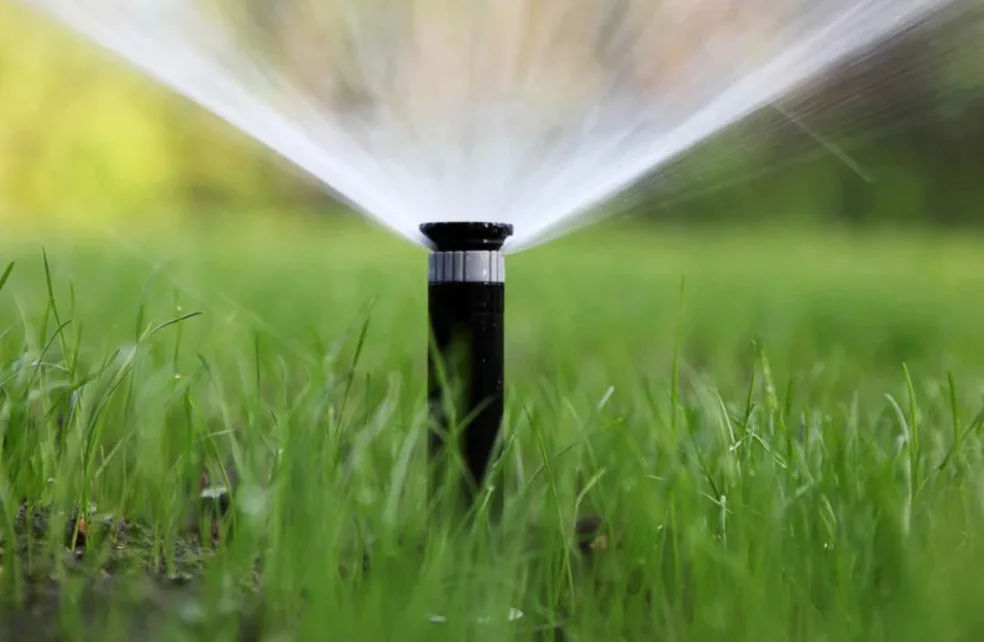
Light irrigation after application can help settle the material between the grass blades and into the soil surface. Avoid excessive watering immediately afterward because heavy runoff can move freshly applied material into low areas, sidewalks, beds, or drainage zones.
After the material settles, normal irrigation should be adjusted according to grass type, weather, soil conditions, and the lawn’s actual moisture needs.
How Long Does It Take to See Results After Top Dressing?
Some results are immediate while others take time. Surface smoothing may be noticeable as soon as the material is worked into the lawn. Improvements in turf density and overall appearance depend on grass growth, weather, irrigation, fertilization, and the condition of the lawn before treatment.
Healthy warm-season turf top dressed during active growth may begin growing through the material relatively quickly. More significant soil or leveling improvements may require repeated applications over time.
Common Lawn Top Dressing Mistakes
- Applying too much material. A thick layer can bury and weaken the existing grass.
- Using the wrong material. The top dressing should be compatible with the existing soil and the goal of the application.
- Trying to correct severe grading problems with top dressing. Major depressions and drainage issues often require additional work.
- Top dressing unhealthy or dormant turf. Grass needs to be capable of recovering and growing through the application.
- Ignoring irrigation problems. Poor watering coverage can undermine the results of an otherwise good application.
- Failing to diagnose the real lawn problem. Top dressing will not cure insects, fungal disease, severe shade, or other unrelated problems.
DIY vs. Professional Lawn Top Dressing
Small areas can sometimes be top dressed by hand, especially when only a light application is needed. Larger lawns become much more labor-intensive because the material must be delivered, moved, distributed evenly, and worked into the turf.
A professional application can also help determine the correct material, amount, timing, and whether other problems such as compaction, irrigation, drainage, weeds, insects, or damaged turf should be addressed first.
Professional Top Dressing Services in Panama City & Bay County
Turf-MD provides professional lawn top dressing services for homeowners and businesses throughout Panama City and surrounding Bay County communities. Our team can evaluate turf condition, irrigation, drainage, soil conditions, grass type, and surface irregularities before recommending an application.
Top dressing can also be combined with lawn aeration, chemical lawn care, irrigation improvements, and sod installation when the property needs more than one type of improvement.
Lawn Top Dressing FAQ
Does top dressing help level a lawn?
Yes. Top dressing can gradually smooth minor bumps and shallow low areas. Major grade or drainage problems may require additional site work.
What is the best top dressing for Bermuda grass?
Sand is commonly used for Bermuda when leveling and surface improvement are the primary goals, but the best material depends on the existing soil and lawn conditions.
Can you top dress Zoysia grass?
Yes. Zoysia can be top dressed during active growth, but the material and application depth should be selected carefully so the grass is not buried.
Should you aerate before top dressing?
Aeration can be beneficial when the soil is compacted because top dressing material can move into the aeration holes and upper root zone. It is not required for every lawn.
Can top dressing fix a badly damaged or bare lawn?
Not always. If most of the turf is dead or missing, or if the underlying problem is severe, new sod may be a better solution than top dressing alone.
How often can a lawn be top dressed?
Frequency depends on the lawn’s condition and the reason for top dressing. Some lawns may benefit from periodic light applications, while others only need the service when specific leveling or soil issues develop.
Need Top Dressing for Your Lawn?
Turf-MD provides professional lawn top dressing in Panama City, Panama City Beach, Lynn Haven, Callaway, Southport, and surrounding Bay County communities. We can evaluate your lawn and recommend the right approach based on the turf, soil, drainage, irrigation, and condition of the property.
View Top Dressing Services | Request an Estimate | Call (850) 265-3857

