Lawn Weed Control: How to Control Common Florida Lawn Weeds
Weeds are more than a cosmetic problem. When they spread through a lawn, they compete with desirable turf for water, nutrients, sunlight, and growing space. Effective lawn weed control starts with identifying the weed correctly, understanding why it is thriving, and choosing a treatment that is appropriate for the grass growing in your yard.
For homeowners in Panama City and throughout Bay County, weed pressure can change throughout the year as temperatures, rainfall, irrigation, and turf growth change. A good weed-control program combines prevention, targeted treatment, and proper lawn care rather than relying on a single weed killer for every problem.
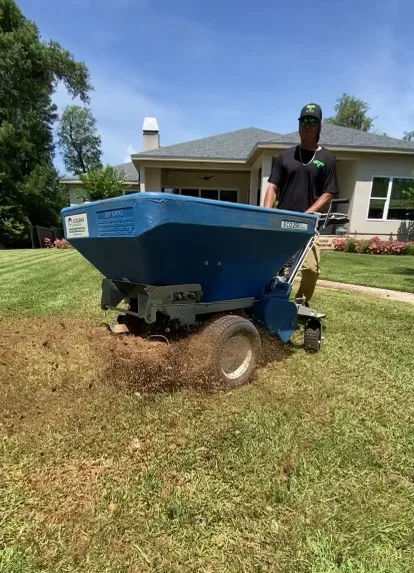
Turf-MD provides professional chemical lawn care for residential and commercial properties throughout the Panama City area, including weed control, fertilization, insect treatments, and lawn-health programs designed for Northwest Florida conditions.
Why Do Weeds Grow in Lawns?

Weeds usually become established where conditions give them an opportunity. Thin turf, bare soil, excessive moisture, drought stress, improper mowing, nutrient problems, compacted soil, poor drainage, and weak grass can all create openings for weeds to spread.
That means successful weed control is not only about killing visible weeds. If the conditions that allowed them to grow are never corrected, new weeds may continue to appear even after treatment.
Common Types of Lawn Weeds
Correct identification matters because different weeds respond to different control methods. Lawn weeds are commonly grouped into several broad categories.
Broadleaf Weeds
Broadleaf weeds generally have wider leaves that look noticeably different from turfgrass. Depending on the property and season, examples may include clover, dollarweed, plantain, and other broadleaf species.
Grassy Weeds
Grassy weeds can be more difficult to identify because they resemble desirable grass. Crabgrass and other unwanted grasses can blend into a lawn until their growth habit, texture, or color becomes noticeable.
Sedges
Nutsedge and similar sedges are often mistaken for grasses, but they are a different type of plant and usually require a different treatment approach. Nutsedge commonly thrives in areas where soil remains excessively moist.
Why Identifying the Weed Matters
There is no single lawn weed killer that safely and effectively controls every weed in every type of turf. A treatment that works well on one weed may do very little to another, and some products that are safe on one grass variety may damage another.
Before applying any herbicide, the weed should be identified and the product label should confirm that the treatment is appropriate for both the target weed and the turfgrass being treated.
Pre-Emergent vs. Post-Emergent Weed Control

Two of the most important terms in lawn weed control are pre-emergent and post-emergent. They serve different purposes and are often used together as part of a complete lawn-care program.
What Is Pre-Emergent Weed Control?
Pre-emergent herbicides are used to prevent certain weed seeds from successfully developing into established weeds. They are applied before the targeted weeds emerge, which makes timing especially important.
Pre-emergent treatment does not eliminate every possible weed and generally does not control mature weeds that are already growing. It is a preventative tool that can significantly reduce future weed pressure when used correctly.
What Is Post-Emergent Weed Control?
Post-emergent treatments target weeds that have already emerged and are actively growing. The appropriate treatment depends on the weed species, turf type, weather, lawn condition, and product being used.
Some weeds respond to a single treatment, while others may require follow-up applications or changes to the conditions that are allowing them to thrive.
Selective vs. Non-Selective Herbicides

A selective herbicide is designed to control certain weeds while leaving compatible turfgrass largely unharmed when the product is used according to its label.
A non-selective herbicide can damage or kill most vegetation it contacts, including desirable grass. These products are useful in certain situations but generally require much more caution around established lawns.
This is another reason weed identification and turf identification matter before treatment begins.
Common Lawn Weeds in Northwest Florida
Northwest Florida’s warm climate, rainfall, irrigation, and long growing season can create favorable conditions for many types of weeds. The exact species present on a property can change with the season and the condition of the lawn.
Crabgrass
Crabgrass is a fast-growing grassy weed that can spread into thin or disturbed areas of a lawn. Preventative treatment can play an important role in managing crabgrass, while established plants may require a targeted post-emergent approach that is compatible with the surrounding turf.
Nutsedge
Nutsedge often appears in areas with excessive moisture and can grow faster than the surrounding lawn. Because it is a sedge rather than a true grass, ordinary broadleaf weed-control products may not be effective. Moisture and drainage conditions should also be evaluated when nutsedge repeatedly returns.
Dollarweed
Dollarweed is another common problem in Florida lawns and is frequently associated with wet conditions. Treating the weed can help, but correcting overwatering or drainage issues may be just as important for long-term control.
Clover & Other Broadleaf Weeds
Clover and other broadleaf weeds often stand out clearly against the surrounding turf. Selective weed-control treatments may be appropriate depending on the grass type and weed species, but improving turf density can also reduce the open space available for weeds to become established.
When Is the Best Time to Control Lawn Weeds?
The best timing depends on whether the goal is prevention or treatment of weeds that are already growing. Pre-emergent applications must be made before targeted weed seeds germinate, while post-emergent treatments are generally most effective when the target weeds are actively growing and not severely stressed.
Weather also matters. Extreme heat, drought stress, heavy rain, or improperly timed irrigation can reduce treatment effectiveness or increase stress on desirable turf. Professional lawn-care programs adjust applications based on season, weather, turf condition, and weed activity rather than relying on the same treatment every month.
Can You Kill Weeds Without Killing the Grass?
Yes, many weeds can be controlled without damaging the surrounding lawn, but only when the treatment is appropriate for both the weed and the turfgrass.
Bermuda, Zoysia, St. Augustine, centipede, and other warm-season grasses do not all respond the same way to every herbicide. Product labels specify which turf species can safely be treated, application rates, temperature restrictions, and other important limitations.
Why Do Lawn Weeds Keep Coming Back?
If weeds repeatedly return after treatment, the lawn may have an underlying problem that needs attention. Common causes include:
- Thin or weak turf that leaves exposed soil.
- Too much or too little irrigation.
- Drainage problems or consistently wet areas.
- Improper mowing height.
- Soil compaction.
- Nutrient deficiencies or improper fertilization.
- Heavy shade or other conditions that prevent turf from becoming dense.
Controlling the visible weeds without addressing these conditions can lead to an endless cycle of new weed growth.
A Healthy Lawn Is One of the Best Defenses Against Weeds

Dense, healthy turf leaves less room for weeds to establish. Proper mowing, irrigation, fertilization, insect and disease management, and soil care all contribute to stronger grass and better long-term weed resistance.
That is why professional weed control is often most effective when it is part of a broader chemical lawn care program rather than treated as an isolated service.
How Irrigation Can Affect Weed Problems
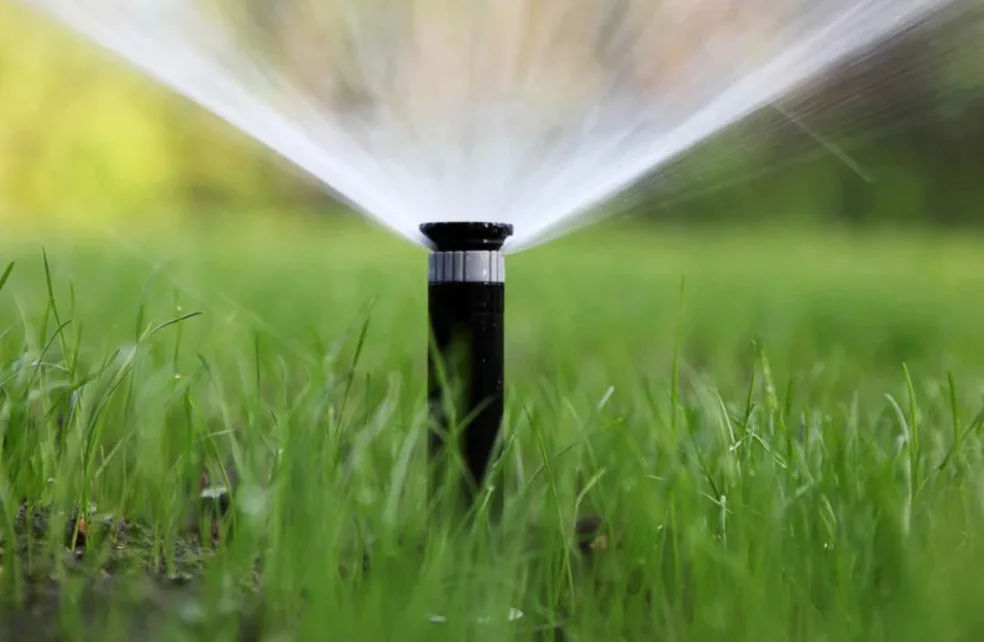
Watering problems can have a major effect on weeds. Excessive irrigation can encourage moisture-loving weeds and fungal problems, while inadequate watering can weaken desirable grass and create thin areas where weeds can become established.
If parts of the lawn remain consistently wet or dry, the irrigation system may need adjustment or repair. Turf-MD provides irrigation and sprinkler services that can help correct coverage problems and support healthier turf.
Fertilization and Weed Control Work Together
Proper fertilization helps desirable turf grow thicker and stronger, which can make it harder for weeds to invade. However, applying too much fertilizer or applying it at the wrong time can create other lawn problems.
A balanced program should account for grass type, growing season, weather, lawn condition, and other treatments being performed on the property.
Common Lawn Weed Control Mistakes
- Treating a weed before identifying it. Different weeds require different control methods.
- Using a product that is not labeled for the turfgrass. A treatment can damage desirable grass if it is not compatible.
- Applying too much product. More herbicide does not necessarily mean better control and can damage turf.
- Treating during extreme weather. Heat, drought, or heavy rain can interfere with effectiveness and increase turf stress.
- Ignoring irrigation and drainage problems. Some weeds thrive because the lawn remains too wet.
- Expecting one application to solve every problem. Long-term weed management often requires prevention, treatment, and improved lawn health.
DIY vs. Professional Lawn Weed Control
Spot-treating a small number of correctly identified weeds can sometimes be handled by a homeowner using a product that is specifically labeled for the weed and turfgrass involved.
More widespread or recurring weed problems can be harder to diagnose. A professional lawn-care program can evaluate the grass type, weed species, irrigation, drainage, turf density, season, and overall lawn condition before selecting a treatment strategy.
This is especially useful when weeds are only one symptom of a larger lawn-health issue.
Professional Lawn Weed Control in Panama City & Bay County
Turf-MD provides professional lawn weed control as part of our chemical lawn care services throughout Panama City and surrounding Bay County communities.
Rather than simply spraying whatever weed is visible, our goal is to evaluate the overall lawn and determine the combination of weed control, fertilization, irrigation improvements, insect or disease treatment, and lawn-care practices that can help produce healthier turf over time.
Lawn Weed Control FAQ
What is the best way to control weeds in a lawn?
The best approach is to identify the weed, determine why it is growing, use an appropriate treatment, and maintain healthy turf so weeds have fewer opportunities to become established.
What is the difference between pre-emergent and post-emergent weed control?
Pre-emergent treatment helps prevent certain weed seeds from becoming established, while post-emergent treatment targets weeds that are already growing.
Why do I keep getting dollarweed?
Dollarweed commonly thrives in wet conditions. Weed treatment may be necessary, but irrigation and drainage should also be checked if the problem repeatedly returns.
Is nutsedge a type of grass?
No. Nutsedge resembles grass but is a sedge, which is why it often requires a different treatment approach than ordinary grassy or broadleaf weeds.
Can weed killer damage the lawn?
Yes. Using the wrong product, applying an excessive amount, treating an incompatible grass variety, or applying under unsuitable conditions can damage desirable turf. Always follow the product label.
Why do weeds return after treatment?
New weeds may emerge from existing seed in the soil, while recurring weeds may indicate thin turf, excess moisture, poor drainage, improper mowing, or another underlying lawn problem.
Need Help Getting Weeds Under Control?
Turf-MD provides professional chemical lawn care and weed-control services throughout Panama City, Panama City Beach, Lynn Haven, Callaway, Southport, and surrounding Bay County communities.
View Chemical Lawn Care Services | Request an Estimate | Call (850) 265-3857